Trail:
- Home
- Styles
- a
- a
- a
- High Contrast, Text-Only Version
- Printer Friendly Version
- Click here to tip a friend about this page
Styles & Traditions
The pages in this sectionGlossary Term are designed to provide an introduction to understanding some of the major stylistic and conceptual developments in architecture since the RomanGlossary Term period and their revival and reinterpretation in architecture up to the present day. Choose from:
- Classical Architecture
with a guide to the OrdersGlossary Term and explanation of the use and influence of the classicalGlossary Term tradition.
- The Medieval Tradition
explanation of the development of the GothicGlossary Term style and medieval building traditions in houses, castles and the great churches
Glossary
- Classical
- Type of termDefinition (tool-tip)
- TermClassical
- Alternative Terms-
- Replaced with-
- Short Description-
- Long DescriptionA term used for the architecture of Ancient Greece and Rome, revived at the Renaissance and subsequently imitated around the Western world. It uses a range of conventional forms, the roots of which are the orders, or types of column each with its fixed proportions and ornaments (especially Doric, Ionic and Corinthian). Classical buildings tend also to be symmetrical, both externally and on plan. Classical architecture in England began c. 1530 with applied ornamental motifs, followed within a few decades by fully-fledged new buildings.
- Images
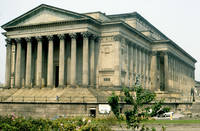 St George's Hall, Liverpool
 - See also
See also:Neo-Renaissance - Term Language-
